
Table of Contents
What is a 100 Gallon Live Oak Tree? (100 Gallon Live Oak Tree Overview)
A 100 gallon live oak tree is a young but already large and well-developed tree that is grown in a 100-gallon nursery container before being sold for landscaping use. The “100 gallon” term does not mean the tree is 100 gallons in size, but rather refers to the size of the container it has grown in. This is an important detail because it tells you the tree has already spent several years growing in a nursery and has developed a strong root system. A live oak tree is known for its wide canopy, strong trunk, and evergreen leaves, which stay green throughout the year. When you choose a 100 gallon live oak tree, you are basically selecting a semi-mature tree that can immediately enhance the beauty and shade of your property.
Compared to smaller trees, a 100 gallon live oak tree already looks impressive when planted. It is often used in residential gardens, parks, and commercial landscapes where instant visual impact is needed. Many landscapers prefer this size because it balances affordability and maturity—it is not as expensive as fully mature trees, but still large enough to create shade and structure quickly.
Size, Growth, and Appearance of a 100 Gallon Live Oak Tree
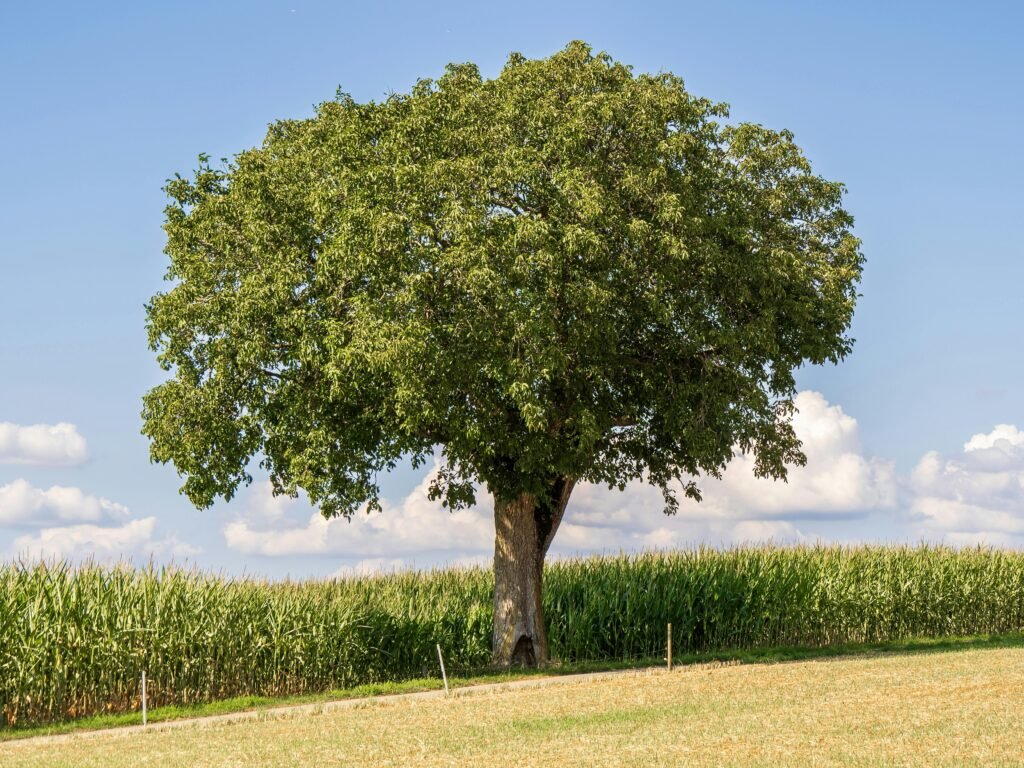
A 100 gallon live oak tree is usually between 6 to 12 feet tall when purchased, depending on how it has been grown in the nursery. The trunk is already thick enough to support strong branching, and the canopy begins forming its natural spreading shape. One of the most beautiful features of this tree is its wide, horizontal growth pattern, which creates a natural shade canopy over time.
After planting, the growth of a live oak is steady but not extremely fast. In good soil and proper care, it may grow around 1 to 2 feet per year in height while expanding significantly in width. Over the years, it transforms into a massive shade tree that can live for hundreds of years. This is why live oaks are often called “heritage trees.”
Price and Cost Factors of a 100 Gallon Live Oak Tree
The cost of a 100 gallon live oak tree can vary widely depending on location, nursery quality, and tree condition. On average, prices usually range from moderate to high because these trees already require years of care before sale. Larger, healthier trees with thicker trunks often cost more.
The price is also affected by transportation. Since a 100 gallon tree is heavy and large, it often needs special equipment for delivery and planting. This adds extra cost to the total installation. In many cases, the planting service can cost as much as the tree itself, especially if machinery is required.
How to Plant a 100 Gallon Live Oak Tree
Planting a 100 gallon live oak tree requires proper planning because of its size and root system. The first step is choosing the right location, ideally an open area with plenty of sunlight and space for future growth. Live oaks grow very wide, so spacing is important to avoid future crowding.
The planting hole should be wide and deep enough to support the root ball without bending or compressing it. The tree should be placed at ground level, not too deep, because planting too low can cause root rot. Once placed, soil is filled gently around the roots and watered deeply to remove air pockets.
Soil, Watering, and Fertilizer Needs
A 100 gallon live oak tree grows best in well-drained soil. It can tolerate different soil types, including sandy and clay soil, but drainage is very important. Poor drainage can lead to root damage and slow growth.
Watering is very important in the first year. The tree should be watered deeply but not too frequently. Deep watering encourages roots to grow downward, making the tree stronger. Overwatering is one of the most common mistakes and can harm the tree more than drought.
Transplanting and Transportation
Transporting a 100 gallon live oak tree is not simple because of its weight and size. Nurseries usually dig out the tree with a large root ball and wrap it securely to protect the roots during transport. Special trucks or trailers are used to prevent damage.
When the tree is moved to a new location, it may experience transplant shock. This is a temporary condition where the tree looks weak or drops some leaves as it adjusts. With proper watering and care, most live oaks recover within a few months.
Care and Maintenance of a 100 Gallon Live Oak Tree
Caring for a 100 gallon live oak tree is not very difficult once it is established. Pruning is needed only occasionally to remove dead or unwanted branches. The goal is to maintain a natural shape rather than heavily trimming it.
Pests and diseases are generally rare, but they can occur if the tree is stressed. Common issues include fungal infections or insect attacks on weak branches. Regular inspection helps catch problems early.
Landscaping Uses of a 100 Gallon Live Oak Tree
A 100 gallon live oak tree is one of the most popular choices in landscaping because it provides instant beauty and shade. It is often used as a centerpiece in large gardens or open spaces.
Homeowners like it because it increases property value and creates a natural cooling effect in hot climates. In commercial areas, it is used to improve the visual appeal of buildings and parking areas.
Problems and Buying Guide
Before buying a 100 gallon live oak tree, it is important to check the health of the tree carefully. Look for strong roots, healthy green leaves, and a straight trunk. Avoid trees with visible damage or signs of disease.
Common problems after planting include slow growth, leaf drop, or root stress. Most of these issues are temporary and improve with proper care. However, poor planting or bad soil conditions can cause long-term damage.