
Table of Contents
What is a 12ft Mobile Welfare Unit?
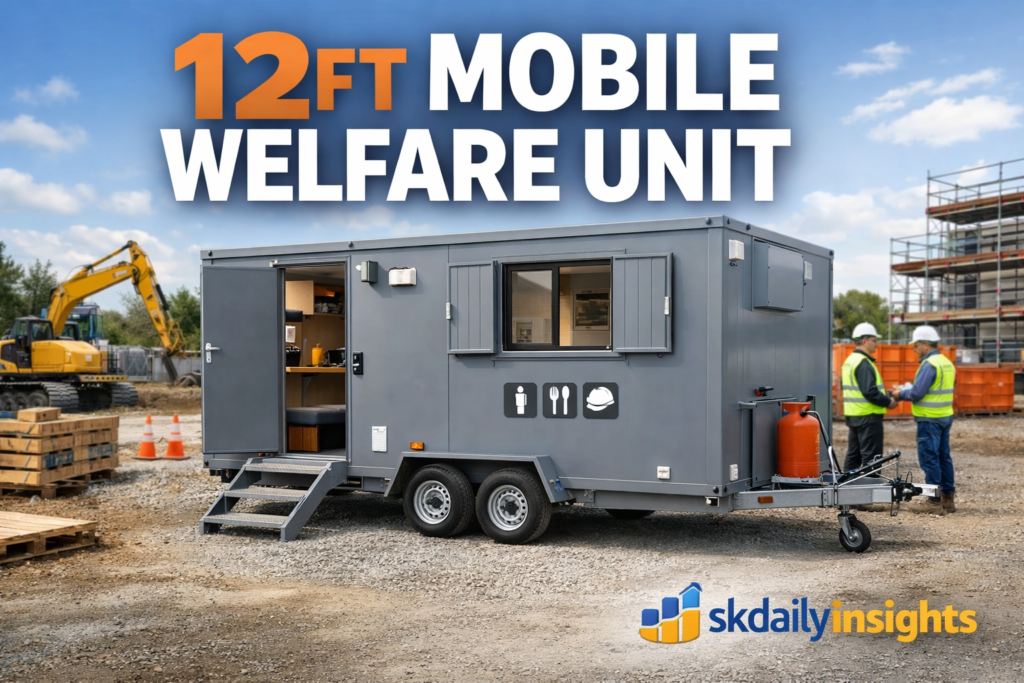
A 12ft mobile welfare unit is a compact, portable facility designed to provide essential amenities for workers on temporary or remote sites. These units are typically 12 feet in length, which makes them easy to tow and move from one location to another, making them perfect for construction sites, infrastructure projects, and temporary events. Unlike static welfare units that are fixed in one place, mobile welfare units can be quickly deployed, providing essential spaces like rest areas, dining zones, toilets, and changing rooms. The 12ft size is particularly popular because it balances portability with enough space to comfortably accommodate small teams of workers, typically between six to eight people. These units are also designed to meet health and safety regulations, ensuring that workers have access to clean, safe, and functional facilities wherever they are working. Many modern 12ft mobile welfare units also include heating, lighting, hot water, and even small kitchen setups, making them not just functional but comfortable, even in challenging work environments. Their mobility, compact design, and full range of amenities make them an ideal solution for temporary site welfare, enhancing productivity and wellbeing for on-site staff.
Key Features of a 12ft Mobile Welfare Unit
A 12ft mobile welfare unit comes packed with features that make it a practical and comfortable solution for temporary site accommodation. One of the most important aspects is its compact yet functional design. Despite being only 12 feet long, these units are thoughtfully laid out to include all essential facilities such as seating areas, dining spaces, toilets, and changing rooms. The interiors are designed to maximize space, often featuring benches, tables, and storage areas in a smart arrangement that allows workers to relax, eat, or take a break without feeling cramped. Modern units are also equipped with proper lighting and heating systems, which make them usable even in cold or dimly lit environments, while some models provide hot water and kitchen appliances like kettles and microwaves, allowing teams to prepare meals or drinks on-site. Additionally, the construction of these units emphasizes durability and safety, often using high-quality materials that withstand frequent transportation, harsh weather conditions, and everyday wear and tear. This makes the 12ft mobile welfare unit not just a convenient facility but a reliable one that supports worker welfare in a variety of settings.
Another key feature of these mobile welfare units is their mobility and self-sufficiency. Unlike fixed welfare facilities, a 12ft mobile welfare unit can be towed easily to any location, making it ideal for projects that require frequent relocation or are situated in remote areas without direct access to utilities. Many units come with integrated generators or options for solar panels, which provide electricity for lighting, heating, and appliances, ensuring that workers always have access to essential services even when mains power is unavailable. Toilets are often self-contained with waste storage solutions, and water systems can be designed to hold both fresh and greywater safely, maintaining hygiene standards on-site. Security and compliance are also a major focus, with units meeting health and safety regulations and sometimes including lockable doors and anti-vandal features to protect both the equipment and the people using it. Overall, the combination of smart design, comfort, mobility, and regulatory compliance makes the 12ft mobile welfare unit an essential tool for contractors, event organizers, and anyone needing temporary, high-quality facilities for a work crew or team.
Why Choose a 12ft Mobile Welfare Unit?
Choosing a 12ft mobile welfare unit for your site or project offers a combination of practicality, comfort, and efficiency that is hard to match with traditional facilities. One of the biggest advantages is that it significantly improves worker welfare and productivity. Providing a dedicated space for breaks, meals, and changing not only ensures that workers have a comfortable environment to rest but also supports compliance with health and safety regulations. On busy construction sites or remote locations, having a clean, warm, and well-equipped facility can reduce fatigue and increase focus, ultimately contributing to smoother operations and fewer workplace incidents. The compact 12ft size ensures that the unit can fit into tight spaces or smaller sites where larger units might be impractical, yet it still delivers all the essential amenities that teams need. Many units also come with heating, lighting, and hot water, which makes them suitable for use throughout the year, regardless of weather conditions, and provides a reliable environment where workers can recharge and stay refreshed.
Another reason to choose a 12ft mobile welfare unit is its unmatched flexibility and mobility. Unlike static welfare solutions, these units can be quickly transported and set up almost anywhere, making them ideal for projects that require relocation, short-term deployment, or are in remote areas with no access to mains power or water. Modern units often include self-contained toilets, waste storage, and options for generators or solar power, allowing them to operate independently without external utilities. This makes them highly adaptable for construction projects, infrastructure developments, or temporary events where traditional facilities are not feasible. Additionally, the robust and durable design of these mobile units ensures they can withstand harsh site conditions, frequent movement, and daily usage without losing functionality. By combining mobility, self-sufficiency, and comfort, a 12ft mobile welfare unit becomes an essential investment for any site manager or project organizer who values worker welfare, efficiency, and regulatory compliance while maintaining practical and cost-effective solutions.
Specifications of a 12ft Mobile Welfare Unit
The 12ft mobile welfare unit is designed to provide all essential facilities in a compact and highly functional layout, making it an ideal choice for small to medium work crews or remote projects. Typically, the unit measures around 12 feet in length, with standard widths and heights that allow easy towing and placement on a variety of sites. Despite its modest size, the interior is carefully planned to maximize usability, often including a seating area with benches and tables, a small kitchenette with hot water facilities, and a toilet or changing area that meets hygiene standards. Many modern units are also equipped with heating, ventilation, and lighting systems to ensure comfort in all weather conditions, while some models even offer insulation options for extreme temperatures. The materials used in construction are usually robust and weather-resistant, including steel frames and durable paneling, which ensures that the unit can withstand the demands of construction sites, outdoor events, and other challenging environments. These specifications are carefully considered to balance portability with functionality, offering a reliable, long-lasting solution for temporary site accommodation.
Another key aspect of the 12ft mobile welfare unit is its capacity for self-sufficiency and utility support. These units are often designed to operate independently, with options for integrated diesel or electric generators, allowing power for lighting, heating, and small kitchen appliances even in remote locations without mains electricity. Water systems are also self-contained, including storage for fresh water and appropriate waste handling solutions, which maintain hygiene standards while providing convenience for workers. Towing requirements are minimal, making the unit accessible to most vehicles capable of hauling a small trailer, which adds to its flexibility and ease of deployment. Safety and compliance are also built into the design, with many units meeting health and safety standards, including anti-vandal features and secure locking mechanisms. Overall, the specifications of a 12ft mobile welfare unit reflect a careful balance of mobility, comfort, durability, and compliance, making it a versatile and essential facility for temporary site projects, emergency deployments, or any situation where portable, high-quality worker welfare is needed.
Common Uses and Applications of a 12ft Mobile Welfare Unit
A 12ft mobile welfare unit serves a wide range of applications across industries, making it a versatile solution for temporary accommodation and on-site facilities. One of the most common uses is on construction and infrastructure sites, where providing proper welfare facilities is a legal requirement under health and safety regulations. These units offer workers a clean, warm, and secure space to take breaks, eat meals, or change into appropriate clothing, which can significantly improve morale and overall productivity. Beyond construction, 12ft mobile welfare units are frequently used in remote projects such as forestry, mining, or utility maintenance, where permanent buildings are not feasible and access to mains services may be limited. Their mobility allows them to be easily transported to different locations, making them ideal for projects that move frequently or require temporary on-site facilities for short durations. These units can also provide essential services during emergency situations, disaster relief operations, or temporary event setups, ensuring that teams have access to rest, sanitation, and basic amenities in environments where infrastructure is either damaged or non-existent.
Another important application of the 12ft mobile welfare unit is its role in enhancing operational efficiency and worker comfort across a variety of settings. For outdoor events, festivals, or large-scale temporary projects, these units can be deployed quickly to provide canteen areas, toilets, and changing facilities without the need for permanent construction or plumbing. They are particularly useful in tight spaces or urban sites where larger units cannot fit, yet there is still a need to provide essential welfare services to small teams. The flexibility of these units also makes them suitable for industries that require temporary setups, such as film production, agricultural work, or utility repair crews, where staff need safe, reliable spaces for breaks and meals. By combining portability, self-sufficiency, and full functionality, the 12ft mobile welfare unit becomes more than just a temporary building; it is a practical investment that ensures workers are comfortable, facilities are compliant with regulations, and projects can run smoothly without delays caused by lack of on-site amenities. Their use across multiple industries highlights their adaptability, making them an indispensable resource wherever temporary welfare solutions are needed.
Mobile vs Static Welfare Units
When deciding between a mobile 12ft welfare unit and a static welfare unit, it is important to consider the nature of the project, site conditions, and long-term needs. Mobile welfare units offer the significant advantage of flexibility and portability, allowing them to be moved quickly between different sites or repositioned within the same site as project requirements change. This makes them ideal for temporary projects, short-term contracts, or locations where construction work moves frequently. In contrast, static welfare units are permanently installed and typically provide larger spaces with more extensive facilities, which can be beneficial for long-term projects or sites where relocation is not required. While static units may offer greater customization options and more room for staff, they lack the mobility that makes the 12ft mobile welfare unit so practical for dynamic working environments. Choosing a mobile unit ensures that teams have access to essential welfare facilities without being constrained by site limitations, making it a highly efficient and cost-effective option for project managers who value flexibility.
Another important factor in the mobile versus static welfare unit discussion is cost, maintenance, and operational convenience. Mobile welfare units tend to have lower upfront costs compared to constructing or installing a permanent static unit, and they do not require extensive groundwork, plumbing, or utility connections, which reduces setup time and overall expenses. Maintenance is also simpler, as these units are designed to withstand frequent movement, weather conditions, and heavy use, and any necessary repairs can often be handled quickly off-site or between deployments. Static units, on the other hand, may require more substantial investment, utility connections, and on-site maintenance, making them less ideal for projects with tight budgets or temporary timelines. Ultimately, the choice between a 12ft mobile welfare unit and a static facility comes down to mobility, project duration, and site flexibility, with mobile units offering unmatched adaptability for short-term, remote, or rapidly changing environments while still providing essential comfort, safety, and welfare for all workers.
Hiring or Buying a 12ft Mobile Welfare Unit
Deciding whether to hire or buy a 12ft mobile welfare unit depends largely on the length of your project, budget, and specific site requirements. Hiring a unit is often the most cost-effective option for short-term projects, seasonal work, or sites that require flexible deployment. Rental agreements typically include delivery, setup, and maintenance, allowing project managers to focus on operations without worrying about the upkeep of the facility. Hiring also provides access to the latest models, ensuring that the unit is equipped with modern amenities such as heating, lighting, hot water, and self-contained toilets, which may not be feasible if purchasing an older unit outright. For temporary sites, mobile welfare units can be moved easily from one location to another as work progresses, providing a consistent level of comfort and convenience for workers without the commitment of a long-term investment. Many companies also offer customization options for rented units, allowing teams to have specific layouts or features that meet the demands of a particular project, making hired units both practical and adaptable.
Buying a 12ft mobile welfare unit, on the other hand, can be a smart investment for long-term projects or companies that regularly require on-site welfare facilities. Ownership provides complete control over the unit, including the ability to customize the interior layout, upgrade equipment, or maintain it according to specific standards. While the upfront cost is higher than hiring, purchasing a unit can offer better value over time, especially for companies with ongoing or recurring projects. Owned units also allow teams to maintain a consistent presence on site, ensuring familiarity and reliability for workers who rely on the facilities daily. Additionally, owning a unit provides flexibility for long-term storage, multiple deployments, or resale if needed, making it a versatile asset for any business that prioritizes worker welfare and operational efficiency. Whether hiring or buying, a 12ft mobile welfare unit provides a practical and effective solution for ensuring that workers have access to essential facilities, enhancing comfort, safety, and productivity across a wide range of temporary or mobile work environments.
Installation and Setup Tips for a 12ft Mobile Welfare Unit
Installing a 12ft mobile welfare unit is generally a straightforward process, but careful planning is essential to ensure it functions efficiently and safely on-site. The first consideration is selecting an appropriate location that is level, stable, and easily accessible for delivery vehicles. The site should have enough space to allow the unit to be positioned safely, with room for staff to enter and exit comfortably. Once the unit arrives, it can usually be set up in a matter of minutes, with minimal groundwork required. Modern units are designed for rapid deployment, often featuring towable chassis and leveling jacks that allow the unit to be stabilized without heavy equipment. Ensuring proper placement also includes checking clearances for doors, windows, and any external utilities, as well as considering factors like drainage and weather exposure to avoid flooding or damage. By taking these steps during installation, project managers can create a safe and functional environment that maximizes the benefits of the 12ft mobile welfare unit from the very first day it is on-site.
Once the unit is in place, attention should be given to connecting and testing its utilities to ensure it is fully operational. For self-contained units, this may involve filling fresh water tanks, checking waste storage systems, and starting any integrated generators or solar-powered systems. Units with built-in heating, lighting, or hot water should be tested to ensure they are working correctly and can meet the daily needs of the workforce. Additionally, a quick inspection of all doors, locks, and safety features will confirm that the unit is secure and compliant with workplace welfare standards. Regular checks and maintenance during the project will help maintain functionality and hygiene, preventing interruptions in use. By following these installation and setup tips, a 12ft mobile welfare unit can provide a safe, comfortable, and reliable facility that enhances worker welfare and efficiency, proving to be a vital component of any temporary or mobile work site.
FAQs About 12ft Mobile Welfare Units
Many people considering a 12ft mobile welfare unit have common questions about its functionality, setup, and suitability for different projects. One frequently asked question is about the facilities included in a standard unit. Most 12ft units come with essential amenities such as seating and dining areas, a small kitchenette with hot water, and a toilet or changing area. These features are designed to meet the basic needs of workers on temporary or remote sites while ensuring compliance with health and safety regulations. People also often ask whether mains power or water connections are necessary. Many modern units are self-contained, equipped with integrated generators or solar power options and fresh water storage, allowing them to operate independently without relying on external utilities. This makes them particularly useful for remote locations or projects where access to mains services is limited. The compact size, mobility, and fully equipped nature of the unit make it highly versatile and able to support small to medium-sized teams efficiently.
Another common concern is about transportation and setup, as project managers want to ensure the unit can be deployed quickly and safely. A 12ft mobile welfare unit is designed to be towable with most suitable vehicles, allowing it to be delivered to a site with ease. Setting up the unit generally requires a level area and minimal groundwork, with modern models featuring leveling jacks and secure anchoring systems to stabilize the unit. Questions also arise about durability and maintenance, and these units are built to withstand harsh weather conditions, frequent movement, and daily usage, while routine inspections and maintenance ensure ongoing hygiene, safety, and comfort. Other questions often focus on whether the unit is suitable for different industries, and the answer is yes, as they are widely used in construction, infrastructure, remote projects, emergency situations, and events. Overall, these FAQs highlight the practicality, reliability, and flexibility of the 12ft mobile welfare unit, making it an essential resource for any temporary or mobile work environment that prioritizes worker welfare and efficiency.
Conclusion
The 12ft mobile welfare unit stands out as an indispensable solution for ensuring worker comfort, safety, and efficiency on temporary or remote sites. Its compact yet thoughtfully designed layout provides all the essential facilities needed for staff to take breaks, eat meals, change clothes, and use clean toilet facilities, all within a portable and easily deployable structure. By combining mobility, durability, and modern amenities such as heating, lighting, hot water, and self-contained utilities, these units create a safe and comfortable environment that helps maintain productivity and morale, even in challenging conditions. Whether on a bustling construction site, a remote infrastructure project, or a temporary event, the presence of a 12ft mobile welfare unit demonstrates a commitment to meeting health and safety standards while also supporting the wellbeing of workers. The practical design ensures that small teams can enjoy essential comforts without compromising on space or functionality, making these units an efficient and reliable choice for a wide variety of industries.
Beyond their immediate benefits, 12ft mobile welfare units also offer long-term value through their flexibility and adaptability. Their towable design allows them to be relocated quickly between sites, making them ideal for projects that move frequently or require temporary facilities for short periods. Companies can choose to hire units for short-term needs or purchase them as an investment for ongoing use, with both options providing access to modern, well-maintained facilities. These units are built to withstand frequent transportation, harsh weather, and heavy usage, ensuring durability and reliability over time. By integrating all essential amenities in a portable and self-sufficient package, the 12ft mobile welfare unit not only enhances worker welfare but also supports operational efficiency, cost-effectiveness, and regulatory compliance. In today’s fast-paced and often remote working environments, these mobile welfare units are more than just temporary structures; they are a critical resource that enables teams to work safely, comfortably, and effectively, wherever the project takes them.