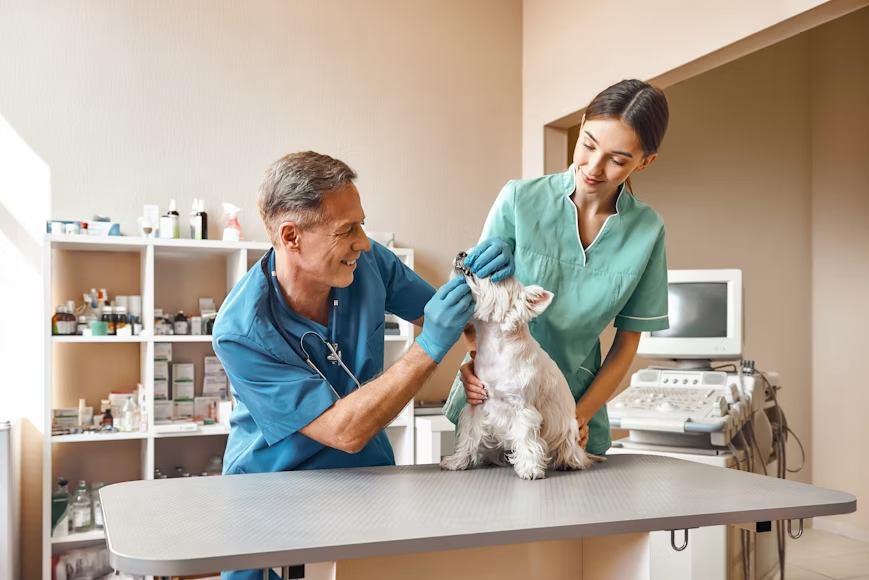

Building an animal hospital is not just about putting up walls and rooms. Animal hospital construction is a complex process that involves careful planning, designing, and implementing a facility where pets can get the best care. From choosing the right location to designing specialized spaces for treatment and surgery, every detail matters. In this blog, we will guide you through everything you need to know about animal hospital construction.
Why Animal Hospital Construction Is Important
When planning an animal hospital, construction quality is very important. The building must be safe for pets, staff, and visitors. Poor construction can lead to problems like poor ventilation, infections, and accidents. That’s why animal hospital construction focuses on durable materials, proper drainage, and safe layouts.
Additionally, a well-constructed animal hospital can improve workflow. Vets, nurses, and staff need easy access to treatment rooms, surgery areas, and recovery spaces. Proper construction ensures smooth operations, which ultimately benefits the pets. Investing in high-quality construction may cost more initially, but it saves money in the long run and increases the hospital’s reputation.
Planning Your Animal Hospital Construction
Planning is the first step in any successful animal hospital construction project. You need to consider several factors:
- Location: Choose a location that is easy for pet owners to reach. It should have enough parking space and be in a safe area.
- Size: Estimate the number of patients your hospital will serve. This helps determine the size of consultation rooms, surgery rooms, and kennels.
- Budget: Construction costs vary based on materials, labor, and technology. Set a realistic budget to avoid surprises later.
- Future Expansion: Plan for future growth. You might want to add more treatment rooms or specialized facilities later, so design with expansion in mind.
Good planning ensures that your hospital meets the needs of pets, staff, and owners while avoiding costly mistakes.
Design Considerations in Animal Hospital Construction
Design is an essential part of animal hospital construction. A functional design can improve efficiency and comfort for pets and staff. Some important design considerations include:
- Treatment Rooms: These should be easily accessible from the entrance and equipped with proper lighting and ventilation.
- Surgery Areas: Surgery rooms require sterile environments with easy-to-clean surfaces. Proper construction ensures safety and hygiene.
- Kennels and Recovery Areas: Pets need quiet, comfortable spaces to recover. The design should minimize stress and noise.
- Waiting Area: A welcoming waiting area can make pet owners feel comfortable. Include seating, informative posters, and a clean environment.
Well-thought-out designs not only make the hospital functional but also create a positive experience for everyone involved.
Choosing the Right Materials
Materials used in animal hospital construction are crucial for durability and hygiene. Some common choices include:
- Non-porous Flooring: Floors that are easy to clean, like vinyl or sealed tiles, prevent bacteria buildup.
- Durable Walls: Walls should be resistant to scratches and easy to sanitize. Materials like PVC panels or treated concrete work well.
- High-Quality Plumbing: Water systems must support cleaning, sterilization, and emergencies.
- Energy-Efficient Systems: Heating, ventilation, and air conditioning should maintain proper temperature and reduce energy costs.
Using the right materials helps the hospital maintain hygiene, reduce maintenance, and ensure safety for pets and staff.
Specialized Spaces in Animal Hospital Construction
Animal hospitals need specialized spaces that require careful planning in construction. These areas include:
- Surgery Rooms: Must be sterile and equipped with modern surgical equipment. Construction should prevent contamination.
- Laboratories: Labs require proper ventilation, storage, and equipment to perform tests.
- Imaging Rooms: X-rays, ultrasound, and MRI machines need rooms with proper shielding and electrical supply.
- Pharmacy Areas: Safe storage and easy access to medications are essential.
Every specialized space must meet veterinary standards. Construction professionals with experience in animal hospital construction know the requirements and can build spaces that meet regulations.
Safety Measures in Animal Hospital Construction
Safety is a top priority in animal hospital construction. Pets, staff, and visitors must be protected at all times. Key safety measures include:
- Fire Safety: Install smoke detectors, sprinklers, and emergency exits.
- Infection Control: Use antimicrobial surfaces and proper drainage systems.
- Secure Kennels: Ensure kennels are escape-proof and safe for animals.
- Electrical Safety: Protect sensitive medical equipment from power surges or short circuits.
By focusing on safety during construction, hospitals prevent accidents and maintain a trustworthy environment.
Technology Integration in Animal Hospital Construction
Modern animal hospitals rely on technology. During construction, planning for technology integration is essential. This includes:
- Digital Records: Space for computers and servers to manage patient records.
- Medical Equipment: Electrical outlets and stable surfaces for imaging and surgical tools.
- Communication Systems: Intercoms, phones, and monitoring systems improve hospital workflow.
Incorporating technology during the construction phase saves time and ensures that the hospital is ready for modern veterinary practices.
Working with Professionals
Successful animal hospital construction requires collaboration between architects, engineers, and contractors. Professionals help with:
- Design and Layout: Ensuring efficient and functional spaces.
- Regulatory Compliance: Meeting health and safety codes for veterinary hospitals.
- Project Management: Keeping construction on time and within budget.
Hiring experienced professionals ensures that your hospital is built to last and meets industry standards.
Cost Considerations in Animal Hospital Construction
The cost of animal hospital construction varies depending on size, materials, and design. On average, construction can range from moderate to high depending on the complexity of the facility. Budgeting should include:
- Land purchase or lease costs
- Construction materials and labor
- Medical equipment and technology
- Permits and regulatory fees
- Future expansion plans
Proper financial planning avoids surprises and ensures a smooth construction process.
Conclusion
Building an animal hospital is a significant investment that requires careful planning, design, and execution. Animal hospital construction involves not only building a structure but also creating a safe, functional, and welcoming environment for pets, staff, and owners. By choosing the right materials, integrating technology, and working with experienced professionals, you can create a hospital that delivers excellent veterinary care and stands the test of time.