
Table of Contents
What Is 15 15 15 Fertilizer? Meaning & Overview
15 15 15 fertilizer is one of the most commonly used types of balanced NPK fertilizers. The numbers 15-15-15 represent the percentage of three essential nutrients: Nitrogen (N), Phosphorus (P), and Potassium (K). Each of these nutrients plays a critical role in plant growth. Nitrogen helps plants grow lush green leaves and strong stems, phosphorus strengthens roots and supports flowering and fruit production, while potassium improves overall plant health, disease resistance, and stress tolerance. This type of fertilizer is called “balanced” because all three nutrients are present in equal amounts, making it suitable for a wide variety of plants, including vegetables, lawns, fruit trees, shrubs, and ornamental plants.
Unlike fertilizers with higher concentrations of a single nutrient, 15 15 15 fertilizer provides uniform nutrition and is especially useful when you want to support overall growth without focusing on a specific plant need. Farmers and gardeners often choose this fertilizer for general maintenance and growth periods. It can be used at the beginning of the growing season to encourage strong initial development or during ongoing maintenance to ensure plants receive all essential nutrients. One of the advantages of using a balanced fertilizer is that it reduces the risk of overloading plants with one nutrient, which can cause damage or nutrient imbalance.
Why Use 15 15 15 Fertilizer? Key Benefits Explained
Using 15 15 15 fertilizer provides a range of benefits that make it one of the most popular choices for gardeners, farmers, and lawn enthusiasts alike. One of the main advantages is that it delivers balanced nutrition to plants, supplying equal amounts of nitrogen, phosphorus, and potassium, which are essential for overall growth and health. Nitrogen encourages vibrant green foliage and strong stems, phosphorus strengthens root systems and supports the production of flowers and fruits, while potassium enhances disease resistance, water retention, and overall plant vigor. Because of this balanced formulation, 15 15 15 fertilizer is highly versatile and can be applied to a variety of plants, from leafy vegetables to flowering shrubs, fruit trees, and even lawns. It ensures that plants do not suffer from nutrient deficiencies, which can slow growth or reduce yields, and it helps maintain a consistent growth pattern throughout the growing season, which is especially important for gardens with multiple types of plants that have different nutrient needs.
Another key benefit of 15 15 15 fertilizer is its ease of use and effectiveness in promoting steady, reliable growth without the risk of over-fertilizing a single nutrient. Many gardeners struggle with applying fertilizers that are too high in one nutrient, which can lead to problems such as burnt leaves, weak roots, or reduced flowering. With 15 15 15 fertilizer, the balanced NPK ratio ensures that plants receive all three essential nutrients in the right proportions, making it a safer and more foolproof option. In addition, this fertilizer can be used at various stages of plant growth, whether at the start of the season to establish strong roots and stems or during ongoing maintenance to sustain healthy growth and improve yield quality. Lawns benefit greatly from this fertilizer because it supports both the top growth and the root system, creating lush, green, and resilient grass. The versatility and reliability of 15 15 15 fertilizer make it a staple for anyone seeking strong, healthy plants with minimal risk and effort, and it remains one of the most trusted choices for both small-scale gardeners and professional farmers worldwide.
Understanding the Benefits of Balanced Fertilizer Nutrition
Balanced fertilizers like 15 15 15 fertilizer play a crucial role in ensuring plants receive a well-rounded supply of nutrients that support every stage of growth and development. Each component of the fertilizer contributes to specific plant functions that, when combined, create a strong, healthy, and productive plant. Nitrogen is essential for the production of chlorophyll, which gives plants their green color and enables photosynthesis, the process by which plants convert sunlight into energy. A deficiency in nitrogen can result in yellowing leaves, stunted growth, and weak stems. Phosphorus, on the other hand, is key for root development and energy transfer within the plant, helping to create a strong foundation that supports flowers, fruits, and overall plant stability. Potassium contributes to the plant’s resilience by improving disease resistance, regulating water usage, and enhancing the quality of fruits and vegetables. By using 15 15 15 fertilizer, gardeners and farmers ensure that no single nutrient is over- or under-represented, which helps avoid imbalances that can affect growth or yield. This type of balanced nutrition is particularly beneficial for mixed gardens or diverse crop systems where different plants have varying nutrient needs but still require a uniform approach to growth support.
In addition to supporting individual nutrient functions, the combined benefits of nitrogen, phosphorus, and potassium in 15 15 15 fertilizer create synergistic effects that improve overall plant performance. Healthy leaves resulting from adequate nitrogen levels allow the plant to photosynthesize efficiently, producing energy that feeds both roots and flowers. Strong roots developed through phosphorus uptake can absorb water and nutrients more effectively, giving the plant stability and long-term growth potential. Potassium ensures that the plant can withstand environmental stressors such as drought, heat, or disease, making it more resilient throughout the season. Using a balanced fertilizer also reduces the need for multiple separate applications, saving time and labor while promoting consistency in plant health. Farmers and gardeners often notice that crops treated with 15 15 15 fertilizer not only grow faster but also produce higher-quality fruits and vegetables with improved flavor, texture, and shelf life. The overall effect of this balanced approach is a vibrant, strong, and productive garden or farm, demonstrating why 15 15 15 fertilizer is highly recommended for anyone looking to achieve consistent and reliable growth across a variety of plants.
When to Apply 15 15 15 Fertilizer — Timing & Frequency
Knowing when to apply 15 15 15 fertilizer is just as important as knowing how to use it because the timing directly affects how effectively plants can absorb and utilize the nutrients. For most vegetables, fruits, and ornamental plants, the best time to apply this balanced fertilizer is at the beginning of the growing season when plants are starting to establish their roots and leaves. Applying 15 15 15 fertilizer too early or too late can reduce its effectiveness, as young seedlings may be sensitive to concentrated nutrients and older plants may have already stored enough nutrition in their tissues. Lawns benefit from applications in early spring, when grass begins active growth, and again in late summer or early fall to help strengthen roots and prepare for seasonal changes. The frequency of application depends on the plant type and soil fertility, but generally, reapplying every four to six weeks during active growth ensures that plants receive a steady supply of nutrients without the risk of over-fertilization. Experienced gardeners often monitor plant growth and soil conditions, adjusting the timing based on factors such as rainfall, temperature, and the growth stage of the plants to maximize effectiveness.
In addition to seasonal timing, it is important to consider environmental conditions when applying 15 15 15 fertilizer. Fertilizer should ideally be applied when the soil is moist, which helps nutrients penetrate the root zone quickly and reduces the risk of burning plant roots. Avoiding windy days or applying before heavy rain is crucial, as these conditions can cause uneven distribution, runoff, or nutrient loss. For container plants and potted gardens, smaller, more frequent doses are recommended to prevent nutrient accumulation and maintain healthy growth. By understanding the proper timing and frequency of 15 15 15 fertilizer applications, gardeners can ensure that their plants receive the right nutrients at the right time, promoting vigorous growth, improved yields, and overall plant resilience. Proper timing not only maximizes the fertilizer’s benefits but also contributes to sustainable gardening practices by preventing waste and protecting soil health over the long term.
How Much 15 15 15 Fertilizer Should You Use? Dosage & Rates
Determining the correct dosage and application rates of 15 15 15 fertilizer is critical for achieving optimal plant growth and avoiding potential damage caused by over-fertilization. The amount of fertilizer required depends on the type of plants, the size of the garden or lawn, and the existing nutrient levels in the soil. For vegetable gardens, a general guideline is to apply about one to two tablespoons per plant, ensuring the fertilizer is evenly spread around the base without touching the stems directly to prevent burning. Lawns often require a broader approach, with recommendations ranging from 2 to 5 pounds per 1,000 square feet, applied uniformly using a broadcast spreader for even coverage. Fruit trees and shrubs benefit from side-dressing, where the fertilizer is applied in a circle around the drip line, typically at a rate of 1 to 2 pounds per inch of trunk diameter for mature trees. For container plants, smaller doses are necessary because pots hold less soil and nutrients can accumulate quickly, so one teaspoon per medium-sized pot is usually sufficient. By following these dosage guidelines, gardeners can provide adequate nutrition without overwhelming the plants or the soil ecosystem.
It is also important to consider soil testing and nutrient monitoring when deciding how much 15 15 15 fertilizer to apply, as soil conditions can vary widely from one garden to another. A soil test provides information about existing levels of nitrogen, phosphorus, and potassium, allowing for precise adjustment of fertilizer application to meet plant needs without excess. Overuse of 15 15 15 fertilizer can lead to problems such as nutrient runoff, water contamination, and leaf burn, which may damage plants and reduce overall productivity. Conversely, under-application may result in slow growth, weak roots, and reduced yields. By carefully calculating the dosage and adjusting based on plant type, growth stage, and soil fertility, gardeners can achieve healthy, balanced growth while conserving resources and maintaining long-term soil health. Applying the correct amount of 15 15 15 fertilizer not only supports vibrant and productive plants but also contributes to sustainable gardening practices that benefit the environment and ensure consistent results season after season.
How to Apply 15 15 15 Fertilizer — Step‑by‑Step Methods
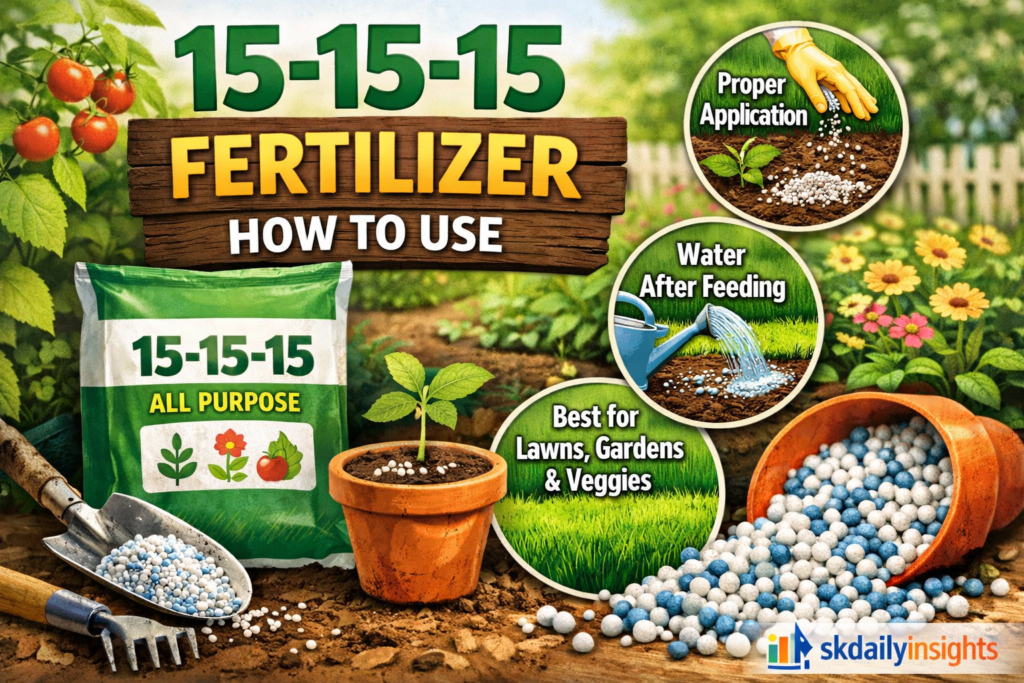
Applying 15 15 15 fertilizer correctly is essential to ensure that plants receive the full benefits of the nutrients without causing damage. For gardens and vegetable beds, the fertilizer should be spread evenly around the base of each plant, keeping it a few inches away from stems and leaves to avoid burning. After spreading, lightly mix the fertilizer into the top layer of soil or simply water it in thoroughly so that the nutrients can reach the roots efficiently. Lawns require a slightly different approach, using a broadcast spreader to distribute the fertilizer evenly across the entire area. It is important to walk at a steady pace to ensure uniform coverage, as uneven application can lead to patches of burnt grass or areas with insufficient nutrition. For trees and shrubs, side-dressing is recommended, where fertilizer is placed around the drip line and gently worked into the soil without disturbing roots. For container plants, smaller, controlled doses are necessary, and the fertilizer should be watered in immediately to prevent accumulation that can harm the plant. Understanding the specific application method for each type of plant ensures maximum nutrient uptake and healthy, vigorous growth throughout the season.
The timing and environmental conditions during application are just as important as the method itself. 15 15 15 fertilizer should always be applied when the soil is slightly moist, which helps nutrients move quickly to the root zone and reduces the risk of root burn. Avoid applying on windy days to prevent uneven spreading or on days just before heavy rainfall, as this can wash away the fertilizer before it reaches the roots. For mixed gardens with a variety of plants, it may be helpful to apply smaller amounts more frequently rather than a large dose all at once, ensuring each plant receives the nutrients it needs without the risk of overload. By combining the right method with proper environmental awareness, gardeners can make the most of 15 15 15 fertilizer, supporting strong leaves, healthy roots, and vibrant blooms or fruits. Correct application not only improves growth but also helps maintain soil health, reduces waste, and promotes sustainable gardening practices that benefit the garden over the long term.
Tips for Best Results With 15 15 15 Fertilizer
To get the most from 15 15 15 fertilizer, it is important to combine correct application techniques with careful observation of your plants and soil. One of the most effective ways to maximize results is to water thoroughly after application, which helps nutrients penetrate the soil and reach the roots efficiently. Dry application without watering can leave fertilizer on the surface, where it may burn plants or evaporate without benefiting them. Another key tip is to perform a soil test before applying fertilizer, as this provides valuable information about nutrient deficiencies and pH levels. By understanding the existing condition of your soil, you can tailor the amount of fertilizer applied, ensuring your plants receive the right balance of nutrients without overloading the soil. Additionally, gardeners should monitor plant growth and adjust fertilizer applications according to the season and plant stage, as younger plants often require smaller, more frequent doses while mature plants can handle larger applications.
Environmental awareness and proper handling also play a vital role in achieving the best results. Avoid applying 15 15 15 fertilizer on extremely windy days, as this can cause uneven distribution and waste valuable nutrients. Storing fertilizer in a dry, cool place prevents it from caking or losing potency, ensuring that every application is effective. For container plants, use smaller amounts and apply more frequently to prevent buildup, while for larger gardens and lawns, uniform distribution is essential to maintain even growth. Observing how plants respond to fertilizer, adjusting the frequency and dosage, and combining these practices with good watering habits ensures that your garden or lawn flourishes. Following these tips not only supports strong, healthy plants and high yields but also encourages sustainable gardening practices by reducing waste, protecting soil health, and making every application of 15 15 15 fertilizer count throughout the growing season.
Common Mistakes When Using 15 15 15 Fertilizer
Even though 15 15 15 fertilizer is versatile and widely used, many gardeners make mistakes that reduce its effectiveness and can even harm plants. One of the most common errors is over-fertilizing, which happens when too much is applied at once or too frequently. Excess nitrogen, for example, can cause rapid leaf growth at the expense of flowers and fruits, while excess potassium or phosphorus can disrupt nutrient balance in the soil, leading to weak roots or stunted growth. Another frequent mistake is applying fertilizer directly onto plant stems or leaves, which can cause burning and damage sensitive tissues. In lawns, uneven spreading of fertilizer can result in patches of brown, burnt grass or areas that are overfed, creating inconsistent growth and aesthetic problems. Gardeners also sometimes neglect the importance of environmental conditions, applying fertilizer on dry soil, before heavy rainfall, or on windy days, all of which reduce nutrient absorption and lead to waste.
A second set of mistakes revolves around lack of soil testing and understanding plant needs. Many gardeners apply 15 15 15 fertilizer without checking whether their soil already contains sufficient nutrients, which can lead to nutrient imbalances or accumulation over time. Another common error is ignoring the growth stage of plants, as seedlings and young plants require gentler, smaller applications, whereas mature plants can handle larger doses. Failure to adjust application rates for container plants, raised beds, or large gardens can also result in over- or under-fertilization, affecting growth and yield. By being aware of these common mistakes and taking the time to apply 15 15 15 fertilizer thoughtfully, gardeners can prevent nutrient loss, avoid plant damage, and ensure their garden thrives consistently. Proper application, timing, and attention to soil and plant needs make all the difference in turning a simple fertilizer into a tool for vibrant, healthy, and productive growth.
Frequently Asked Questions (FAQ) About 15 15 15 Fertilizer
Many gardeners and farmers have questions about using 15 15 15 fertilizer because, while it is easy to use, understanding the finer details can make a significant difference in plant health and productivity. One of the most common questions is whether 15 15 15 fertilizer can be used on all types of plants. The answer is generally yes, as it provides balanced nutrients suitable for vegetables, fruit trees, lawns, and ornamental plants. However, some plants have specific nutrient needs at certain growth stages, so while 15 15 15 fertilizer works well for overall growth, specialized fertilizers may be better for flowering, fruiting, or correcting deficiencies in a specific nutrient. Gardeners also often ask about mixing this fertilizer with other types, and it is safe to combine with other fertilizers as long as the total nutrient levels are balanced and not excessive. This approach allows for flexibility, enabling gardeners to customize nutrition according to plant requirements without overloading the soil.
Another set of frequent questions revolves around application practices and safety. Many people ask whether to water before or after applying 15 15 15 fertilizer, and the best practice is to apply it to slightly moist soil and water immediately afterward to help the nutrients reach the roots. Questions about frequency are also common, with gardeners wondering how often they should apply it to maintain healthy growth. Generally, reapplication every four to six weeks during active growth periods ensures that plants consistently receive nutrients without risking over-fertilization. Concerns about potential harm from excess fertilizer are valid, as improper use can lead to nutrient runoff, soil imbalance, or plant burn, making careful measurement and attention to dosage crucial. By addressing these FAQs, gardeners can feel confident in using 15 15 15 fertilizer effectively, ensuring their plants grow strong, healthy, and productive while maintaining sustainable soil practices and avoiding common pitfalls.
Conclusion — Best Practices for 15 15 15 Fertilizer Use
Using 15 15 15 fertilizer correctly is one of the most effective ways to promote strong, healthy, and productive plants in gardens, lawns, and farms. The balanced combination of nitrogen, phosphorus, and potassium ensures that plants receive the essential nutrients they need for lush green foliage, deep and strong roots, vibrant flowers, and high-quality fruits or vegetables. To achieve the best results, it is crucial to follow proper application techniques, including spreading the fertilizer evenly, keeping it away from stems or leaves, and watering thoroughly afterward to help nutrients penetrate the root zone. Soil testing is highly recommended before application, as it provides insight into existing nutrient levels and allows gardeners to adjust dosage to avoid over-fertilization, nutrient imbalances, or environmental waste. Paying attention to plant type, growth stage, and environmental conditions such as rainfall and temperature also ensures that the fertilizer works efficiently and plants can absorb nutrients optimally throughout the growing season.
Additionally, sustainable practices and careful monitoring are key to long-term success with 15 15 15 fertilizer. Avoiding common mistakes like overuse, uneven application, or neglecting plant needs not only protects plants but also preserves soil health and prevents nutrient runoff into water sources. Proper storage of fertilizer in a cool, dry place maintains its effectiveness, while observing plant responses allows gardeners to adjust application frequency and amount for continuous growth improvement. By combining these best practices, gardeners and farmers can maximize the benefits of 15 15 15 fertilizer, ensuring that their plants thrive, yields are increased, and gardens remain vibrant and resilient year after year. Consistent use, attention to detail, and understanding the balanced nutrition provided by this fertilizer make it a reliable choice for anyone looking to achieve strong, healthy, and sustainable plant growth in any type of garden or farming system.